Have you ever received a T-shirt at a conference or used a company-branded water bottle at work? These items are not just giveaways—they are part of a long-term marketing strategybranded T.
Branded merchandise helps businesses stay visible in everyday situations. But choosing the wrong products often leads to wasted budget and items that are never used.
In this guide, you’ll learn what branded merchandise is, where to use it, and how to choose items that people actually keep.
What Is Branded Merchandise?
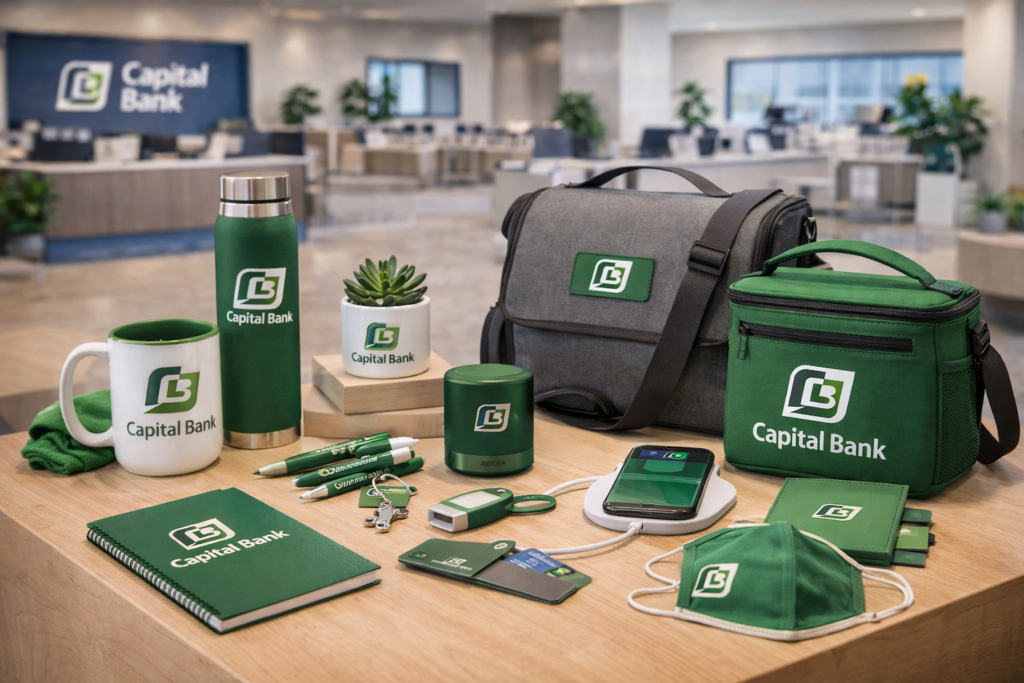
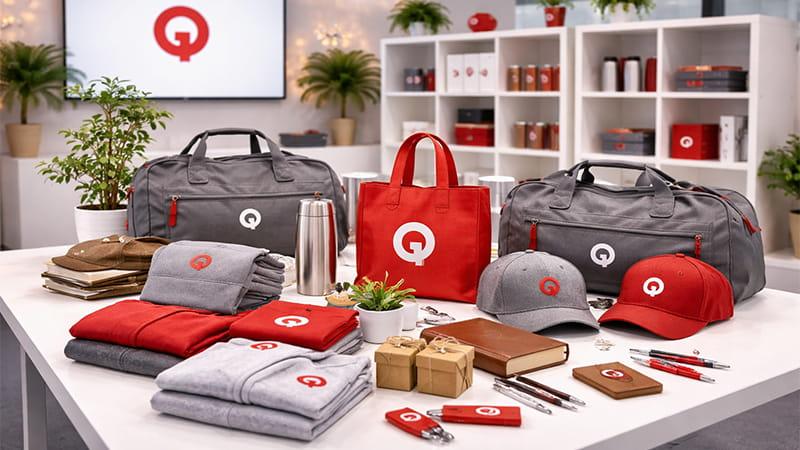
Branded merchandise—also known as promotional merchandise or promotional products—refers to everyday products customized with a company’s logo or brand identity. These items go beyond traditional advertising. They become part of daily routines, offering long‑term brand visibility and increasing brand recall—long after a marketing campaign ends.
Whether it’s custom apparel, drinkware, or even eco-friendly products, partnering with a skilled supplier makes the process easy and effective.
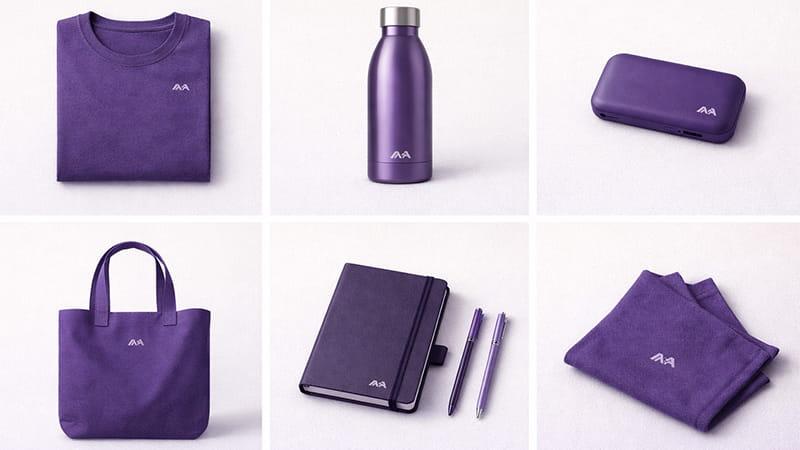
Common Types
- Apparel – T‑shirts, hoodies, caps
- Drinkware – water bottles, coffee mugs, travel tumblers
- Tech accessories – power banks, speakers, wireless chargers
- Bags – tote bags, backpacks, laptop bags
- Office & desk – notebooks, pens, mouse pads
- Health & wellness – fitness towels, yoga mats
These popular promotional items are called promotional merchandise because they promote your brand and are practical. Branded merchandise isn’t just for giveaways. It’s part of a long-term brand merchandising strategy that builds brand loyalty and keeps your brand visible over time.
Why Is Branded Merchandise Important?
Despite the dominance of digital marketing—where ads are skipped, blocked, or forgotten—branded merchandise continues to play a vital role. Here’s why.
1. Builds Brand Awareness at Scale
Unlike a digital ad that disappears after a click, a quality item stays in view for months or even years. According to the PPAI, a single promotional product generates over 1,000 impressions on average during its lifetime—often at a cost‑effective rate far lower than traditional media.
2. Creates Emotional Connection & Brand Loyalty
Physical products tap into the psychology of reciprocity. When someone receives a useful, well‑made gift, they naturally feel more positively toward your brand. This applies to everything from corporate gifts for clients to welcome kits for new hires. Frequent exposure to logos on practical products enhances brand recognition and strengthens customer loyalty.
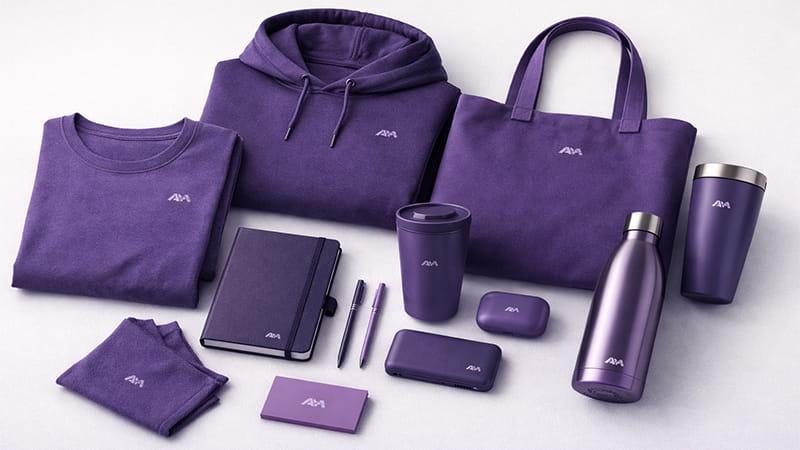
3. Cost‑Effective Compared to Digital Ads
Consider the math: a $15 branded hoodie that’s worn 50 times creates hundreds of impressions for a one‑time cost. Meanwhile, a single social media ad may cost the same for a few seconds of attention. Branded merchandise offers ongoing, unobtrusive advertising with no recurring fees.
4. Strengthens Corporate Culture & Employee Engagement
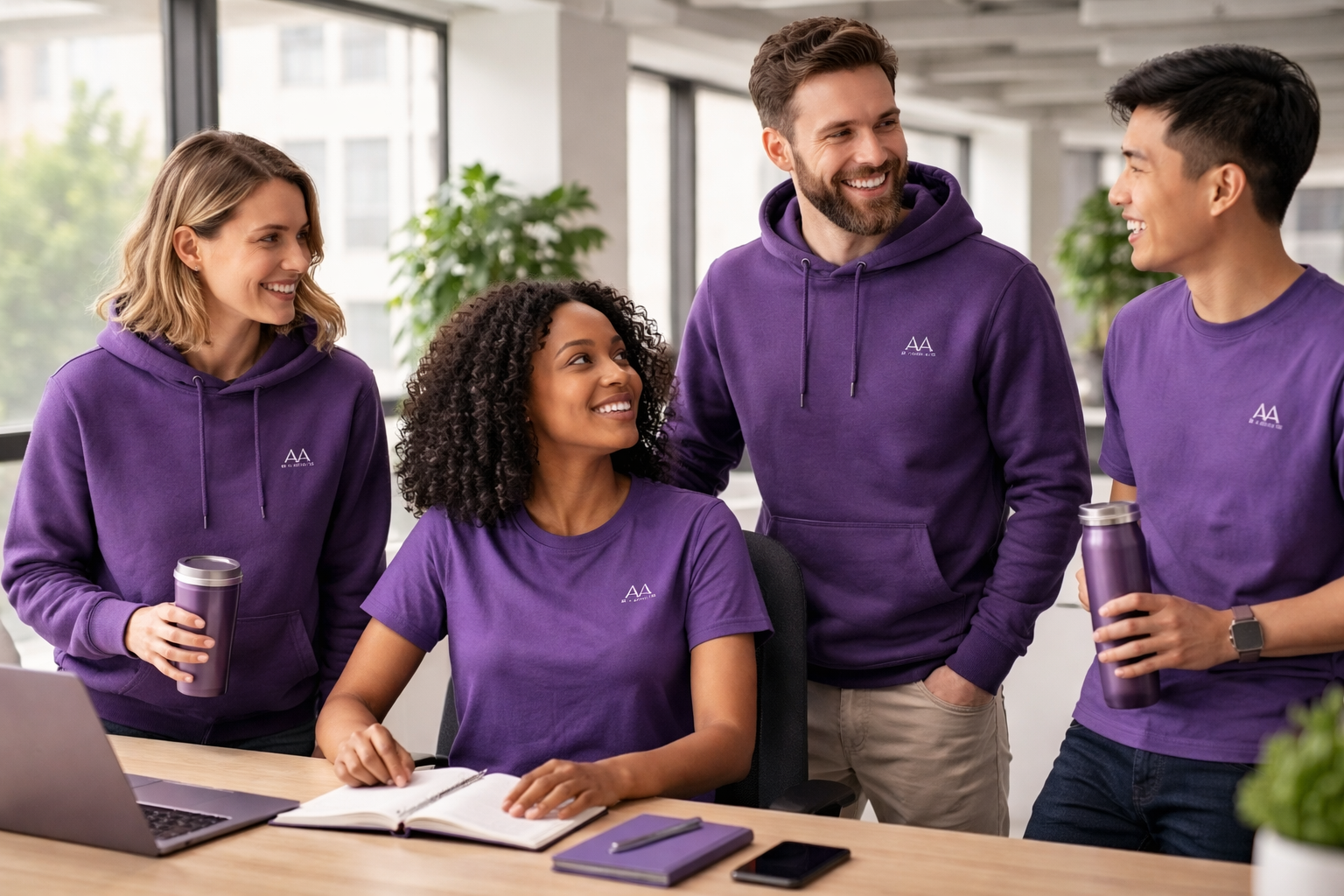
Internal branded merchandise is a powerful way to unify remote and in‑office teams. Company apparel, branded notebooks, and even desk accessories help employees feel part of something bigger. Proud, engaged employees become brand advocates outside the office—wearing your logo to the gym, coffee shop, or family gatherings.
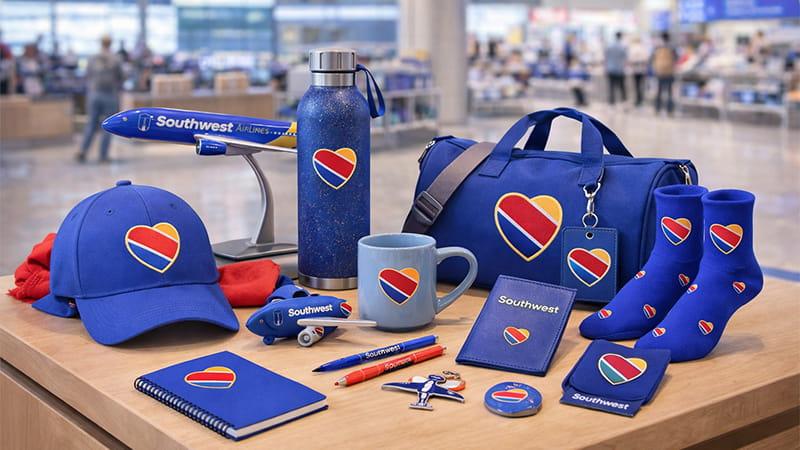
Does Branded Merchandise Actually Work?
You might be wondering: Is this just a nice‑to‑have, or can I measure the impact?
Research consistently shows that promotional products deliver real business results.
- Retention & recall – A study by the ASI found that 85% of consumers remember the advertiser who gave them a promotional product. That’s far above digital display ads.
- Purchase intent – Over 40% of recipients said they would do business with the brand after receiving a promotional item.
- Perceived value – Recipients often keep tangible products for years if they are useful, and they perceive the brand as more generous and trustworthy.
Real‑World Example: The Welcome Kit That Closed Deals
Based on our client experience, a B2B SaaS startup replaced its standard “welcome email” with a curated branded merchandise kit: a high‑quality hoodie, a stainless steel water bottle, and a handwritten note. New clients reported feeling “instantly valued.” Within six months, the company saw a 15% increase in referral business—a direct result of turning initial buyers into loyal brand advocates.
The takeaway: Promotional products work best when they’re strategic, high‑quality, and tied to a specific moment in the customer journey. [Internal Link: Related article on choosing the right welcome kit]
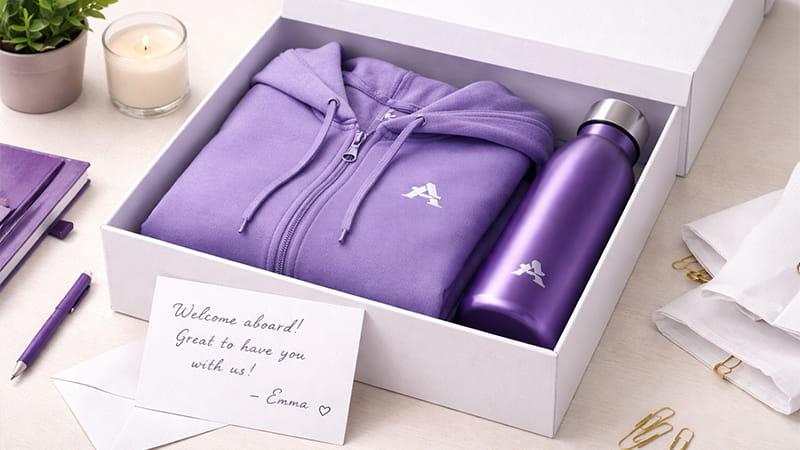
Where to Use Branded Merchandise Most Effectively
Branded merchandise isn’t just for trade shows. Here are four scenarios where it delivers the strongest impact.
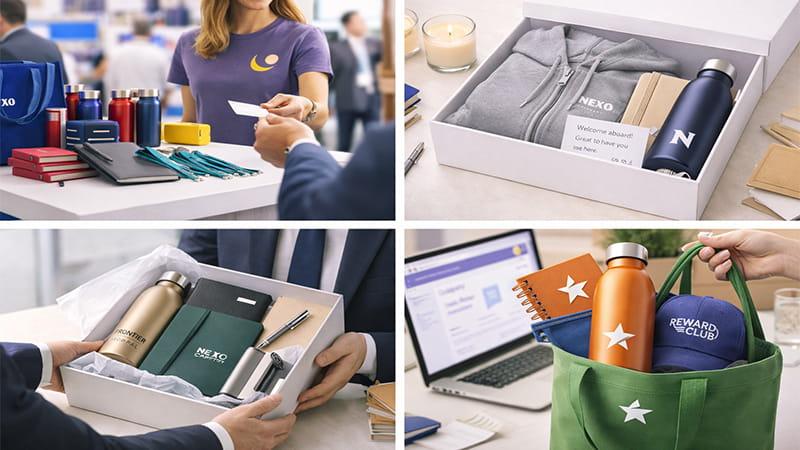
- Trade Shows and Conferences: Event giveaways, such as custom tote bags or tech accessories, increase booth engagement and provide attendees with a tangible reminder of your conversation, enhancing brand recognition.
- Employee onboarding kits: Companies often welcome new hires with branded items that reinforce corporate culture and make them feel part of the team from day one.
- Client appreciation gifts: Thoughtful corporate gifts, like premium water bottles or branded notebooks, strengthen relationships with clients and partners, showing appreciation in a memorable way.
- Brand loyalty programs: Limited-edition merchandise, such as fitness towels or premium apparel, rewards loyal customers, encouraging repeat engagement and word-of-mouth promotion.
Looking for branded merchandise ideas for your next event? We can help you choose items that fit your audience and budget.
When businesses integrate branded merchandise into these situations, they extend the brand experience and ensure long‑term brand visibility.
Best Practices for Branded Merchandise
Not all branded merchandise is created equal. Here’s how to ensure your program drives results.
1. Align with Your Target Audience
Choose products that match the needs and lifestyle of your target audience. A tech-savvy audience might appreciate a premium portable charger, while a fitness-oriented group may love a branded gym towel or yoga mat.
2. Prioritize Quality Over Quantity
One high-quality item, like a premium hoodie or a leather journal, that gets used frequently will outperform several cheap items. Product quality reflects your brand’s standards and can enhance brand recognition and brand loyalty.
3. Keep Branding Subtle
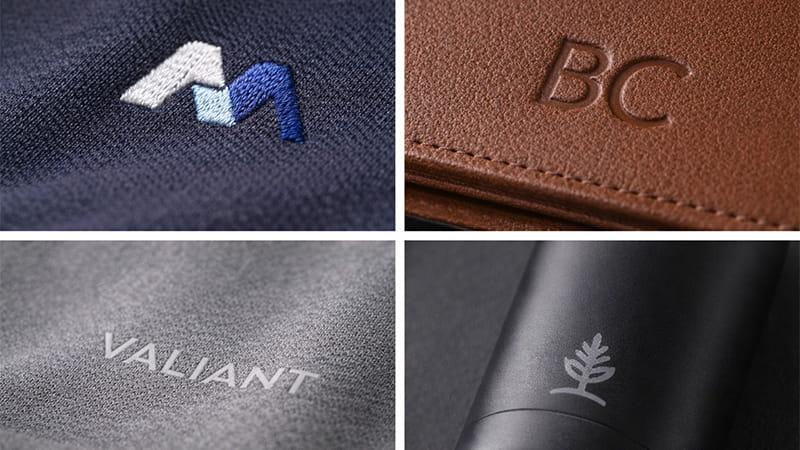
Subtle branding—small logos, embroidery, or tone-on-tone printing—makes products feel like a thoughtful gift rather than a mere advertisement. This increases the likelihood they’ll be kept and used regularly, extending your brand’s reach.
4. Integrate with Marketing Campaigns
Don’t hand out merchandise in a silo. Use it to:
- Welcome new customers
- Celebrate employee milestones
- Create buzz at trade shows and industry events
- Reward loyalty programs
Why Some Merchandise Gets Used — and Some Doesn’t
Not every promotional product becomes effective branded merchandise. Successful items tend to share four characteristics.
| Characteristic | What It Means |
|---|---|
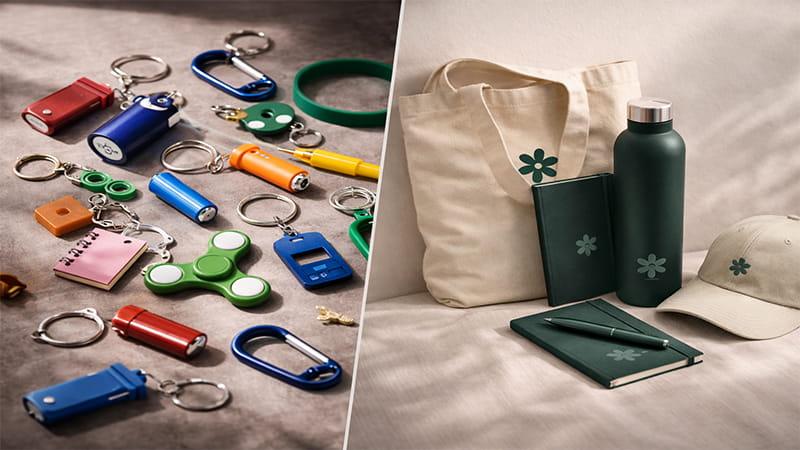
| Practicality | Products like drinkware, tote bags, or desk accessories are used frequently, not stored in a drawer. |
| Subtle branding | Small, integrated logos make products feel like a quality item rather than a walking billboard. |
| Audience relevance | Products that align with the recipient’s lifestyle are far more likely to be kept and used. |
| Durability | High‑quality items with thoughtful design remain in circulation longer, extending your brand’s reach. |
Focus on useful, high‑quality, and audience‑relevant products with subtle branding. This approach increases the chances your merchandise will stay in circulation and provide long‑term brand visibility.
🌱 A Note on Sustainability
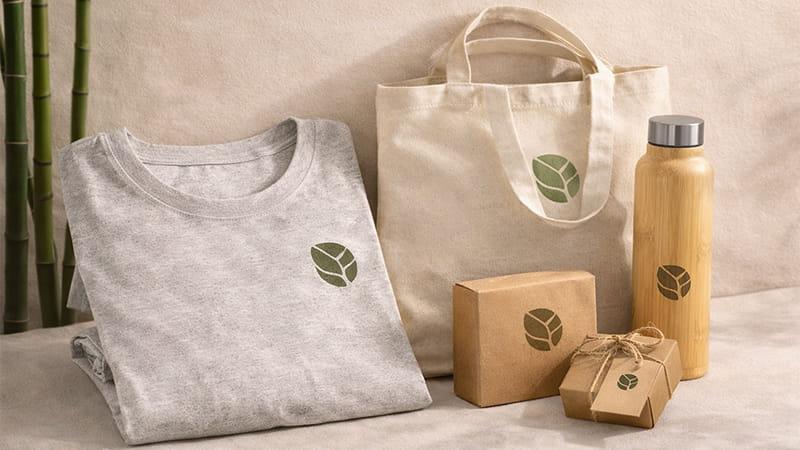
Today’s consumers and employees value eco-friendly choices. Consider sustainable branded merchandise—items made from recycled materials, organic cotton, or bamboo, and packaged plastic-free. Not only does this reduce environmental impact, but it also aligns your brand with values that matter to modern audiences. Explore sustainable promotional products to make a responsible statement.
How to Choose the Right Merchandise
Use this checklist to evaluate your next merchandise order:
- ✅ Does it align with your audience’s lifestyle?
- ✅ Is the product useful in daily life?
- ✅ Is the branding subtle and tasteful?
- ✅ Is the quality high enough to last?
- ✅ Does it reflect your brand’s values (e.g., sustainability)?
If you can answer “yes” to most of these, you’re on the right track. For a stress‑free experience, request a free quote and let the experts guide you.
Best Product Types by Use Case
| Use Case | Recommended Product Type | Why It Works |
|---|---|---|
| Trade shows & conferences | Portable power bank, tote bag | Attendees need practical items they can carry; high utility ensures they keep it. |
| Employee onboarding | Premium hoodie, custom notebook | Builds belonging; items used daily reinforce connection to company culture. |
| Client appreciation | Stainless steel water bottle, leather journal | High perceived value; reflects quality and thoughtfulness. |
| Loyalty programs | Limited‑edition apparel, fitness towel | Scarcity encourages repeat engagement; aligns with active lifestyle audiences. |
Examples of High‑Impact Branded Merchandise
The best branded merchandise is useful, well‑designed, and memorable. Here are categories that consistently perform well.
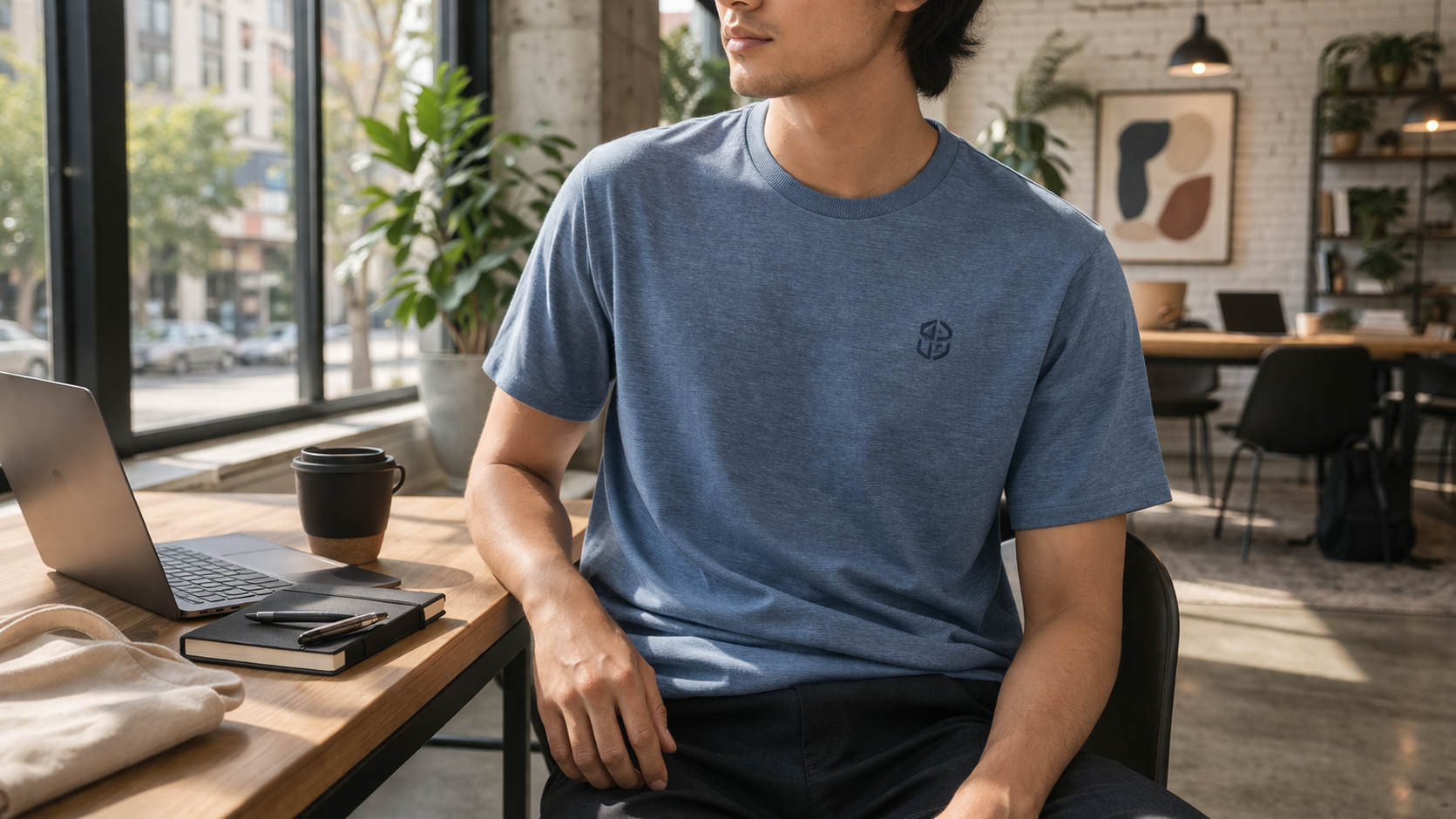
Apparel: Unisex Polyblend Crew T‑Shirt
A classic, but only if the fit and fabric are right. Soft, ring‑spun cotton with durable polyester gives you a T-shirt people reach for again and again.
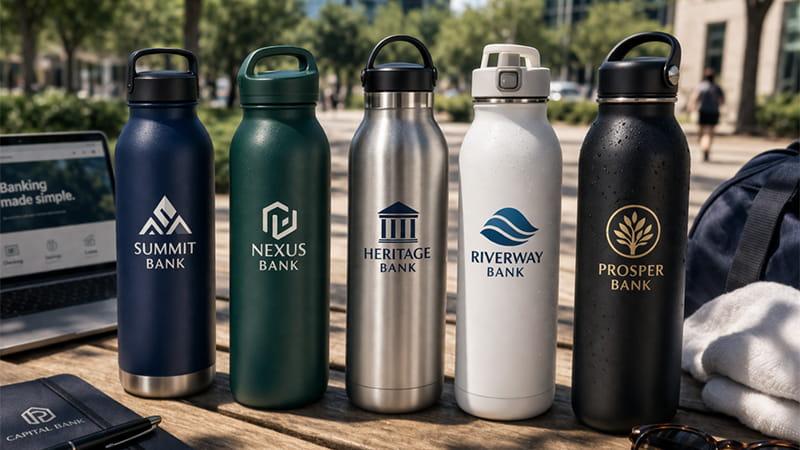
Drinkware: Double‑Wall Stainless Steel Water Bottle
Stainless steel bottles with vacuum insulation keep drinks cold or hot for hours. They’re trendy, eco‑friendly, and go everywhere.
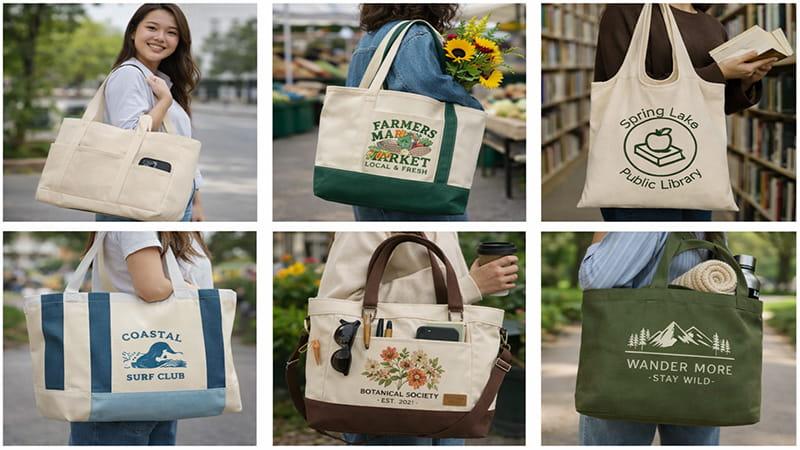
Bags: The Daily Grind Tote Bag
A sturdy, stylish tote transitions from office to grocery run to weekend getaway. It becomes a mobile billboard with every use.
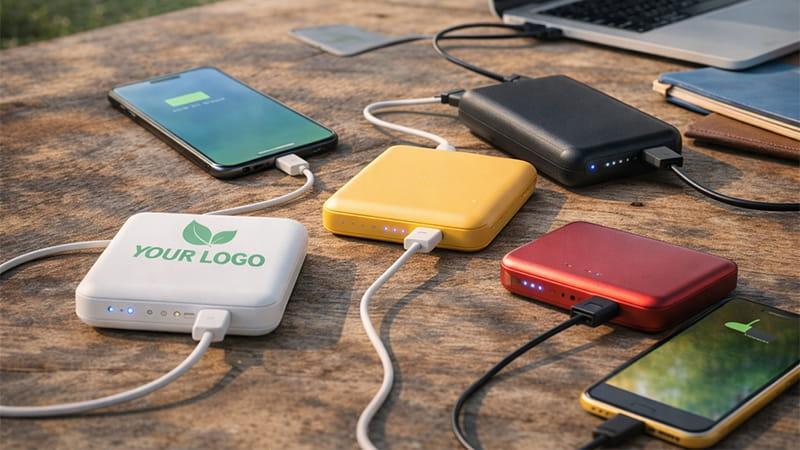
Tech Accessories: Portable Power Bank
For remote workers and event attendees, a compact power bank is a lifesaver. Pair it with your logo for a gift that feels thoughtful and practical.
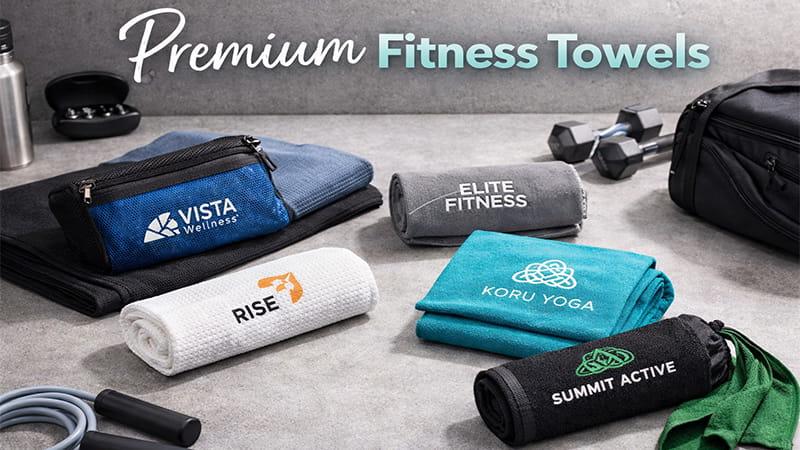
Health & Wellness: Premium Fitness Towel
Lightweight, quick‑dry towels appeal to gym‑goers, hikers, and travelers alike. It’s an easy way to show you care about their active lifestyle.
Need help selecting the perfect items? Contact our team for tailored product recommendations based on your brand goals and audience.
FAQs
Q1: What is the difference between branded merchandise and promotional products?
A1: They are essentially the same. Promotional products is the traditional industry term, while branded merchandise usually emphasizes higher-quality items designed for long-term use.
Q2: Does branded merchandise actually work for marketing?
A2: Yes—when the products are useful and relevant. Items that people use regularly create repeated exposure, which helps improve brand awareness over time.
Q3: How do I choose the right branded merchandise for my audience?
A3: Focus on practical, high-quality items that fit your audience’s daily routines, and use subtle branding so the product feels natural to use.
Q4: How far in advance should I order branded merchandise?
A4: Plan at least 4–6 weeks ahead to allow time for sampling, production, and shipping—especially for custom orders.
Conclusion
Branded merchandise remains one of the most practical ways for businesses to ensure long‑term brand visibility. Unlike traditional advertising, useful products stay in circulation long after a campaign ends, continually reinforcing brand identity. Businesses that focus on product quality, usability, and audience relevance can create meaningful connections with customers and employees.
Used thoughtfully, branded merchandise becomes a long‑term brand promotion tool rather than a temporary giveaway.
Ready to create branded merchandise for your next event or campaign?
Share your logo, estimated quantity, and timeline, and TOMAS Crafts help you select promotional products that match your brand and audience.
👉Get a free quote today